Analysis Objectives
Using cQuenced's multimodal video intelligence, this analysis critically examines body camera footage to understand what works, what doesn't, and why. By combining AI-powered transcript analysis with visual context review, we identify patterns that lead to better outcomes and pinpoint moments where different approaches might have prevented escalation.
Identify Effective Patterns
Document specific verbal and behavioral techniques that successfully de-escalate encounters
Recognize Escalation Points
Pinpoint moments where situations could have gone differently with alternative approaches
Evidence-Based Insights
Build training recommendations grounded in real-world footage, not theoretical scenarios
Reduce Liability Risk
Identify "precipice of lawsuit" moments to prevent incidents before they occur
De-escalation Techniques
Click any technique below to explore in-depth analysis with multiple video examples demonstrating both effective applications and opportunities for improvement.
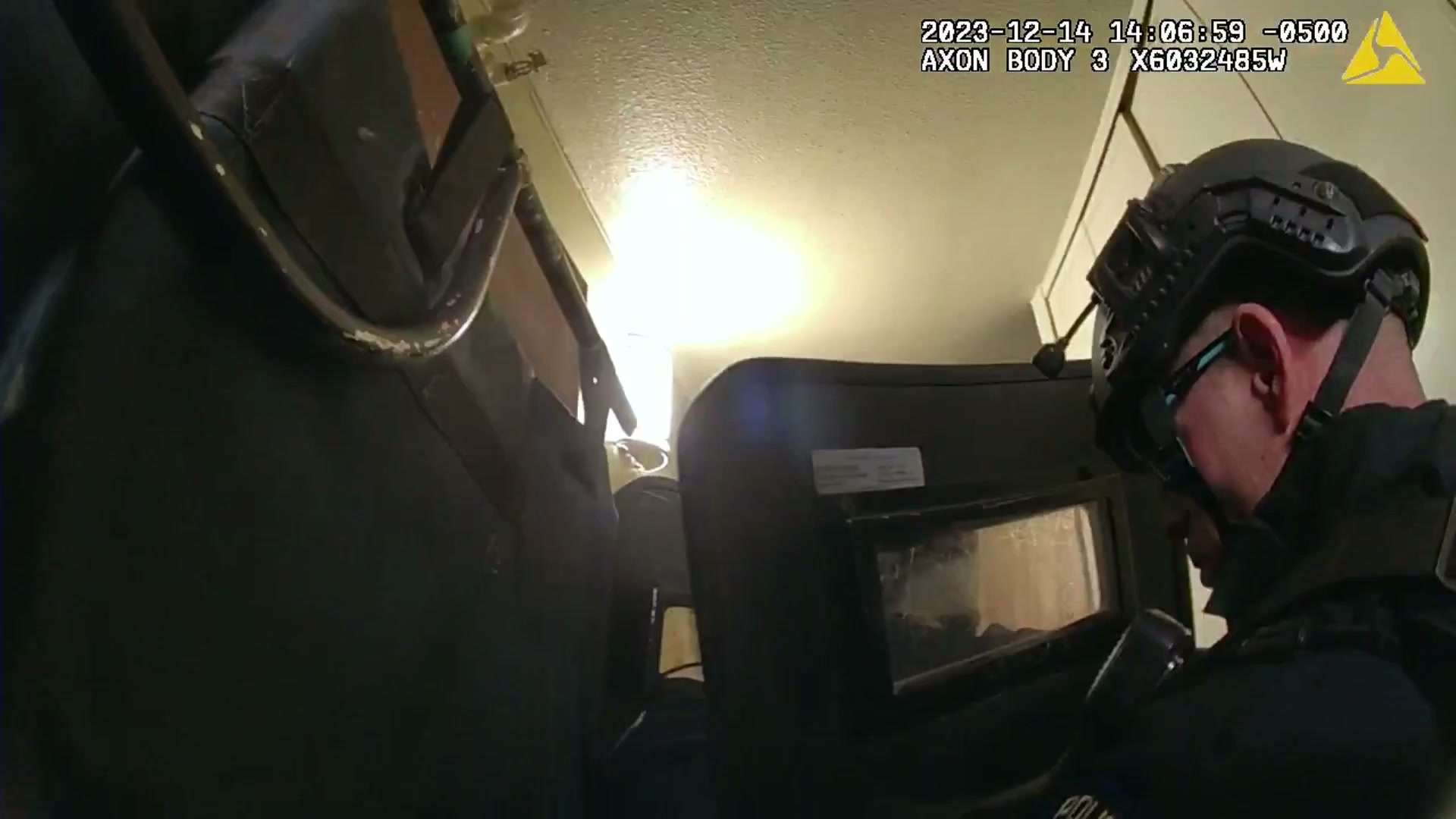
Clear Directives
Specific, actionable commands that reduce confusion and achieve faster compliance

Early Intervention
Rapid resolution before escalation occurs through quick rapport establishment

Personal Promise
Building accountability and trust through direct personal commitments
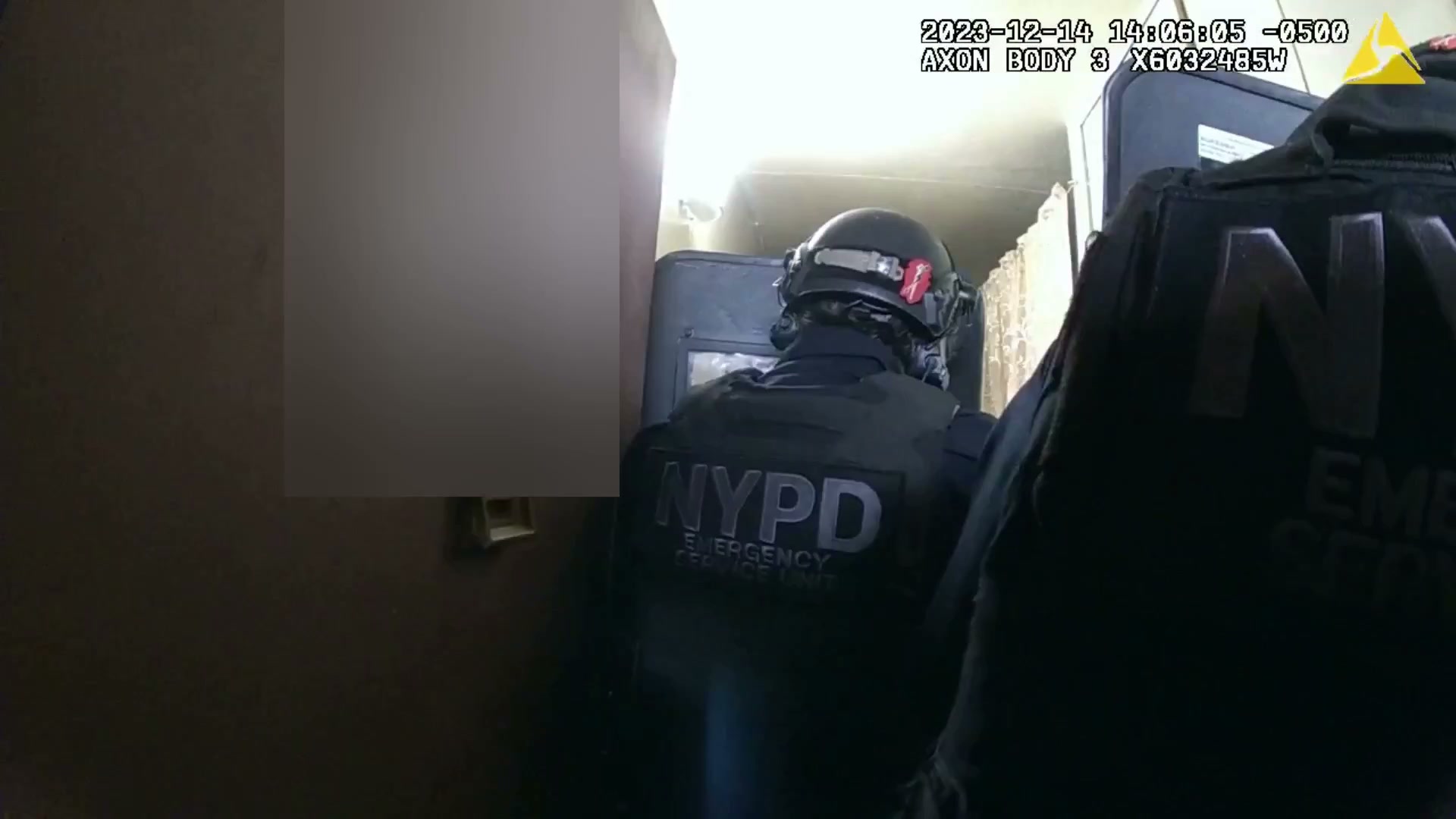
Procedural Explanation
Reducing uncertainty by explaining what will happen next

Transparency
Framing safety procedures openly to build trust and reduce anxiety

Reassurance
Calm instructions paired with reassurance to reduce perceived threat

Empathy
Repeated empathetic statements showing understanding of subject's situation
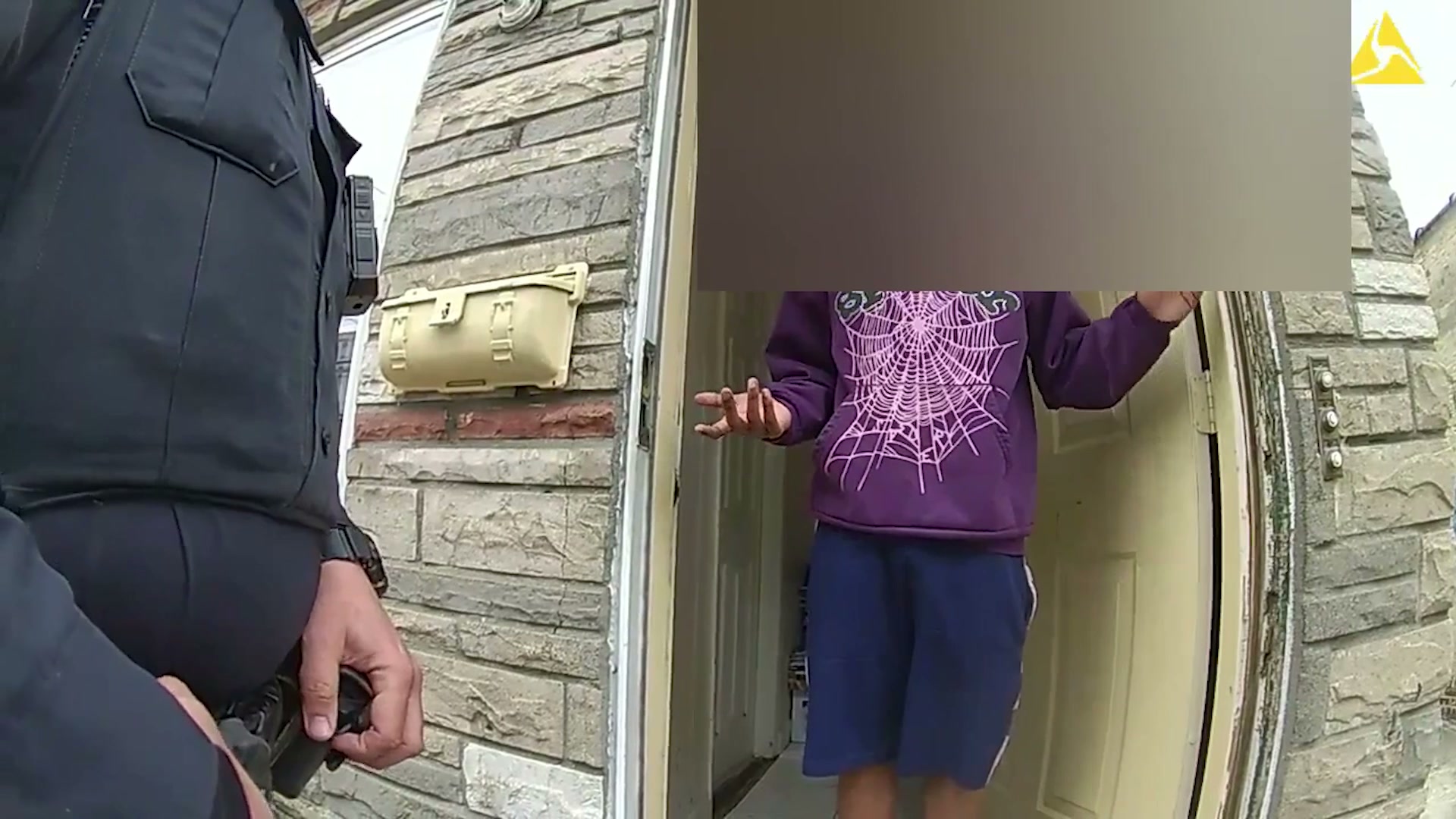
Trust Building
Promise-based de-escalation that creates mutual accountability

Movement Management
Calm directives during evasion or physical repositioning

Team Coordination
Multi-officer communication with designated primary communicator
Key Training Takeaways
Specific Over Generic
"Keep your hands in front where I can see them" works better than "Stop!" - subjects know exactly what to do.
Repeat Reassurance
Repeated phrases like "You're good, you're okay" reduce anxiety and build trust through consistency.
Explain the Why
Telling subjects why you're doing something (safety check, procedure) reduces perceived threat.
One Voice Rule
In multi-officer situations, designate one primary communicator to avoid conflicting commands.
Time Investment
Extended dialogue often prevents the need for physical intervention - patience pays off.
Personal Commitment
Making personal promises ("I promise we won't hurt you") creates accountability and builds trust.
Discussion Questions for Training Sessions
How does transparency about procedures affect subject compliance?
What verbal cues indicate trust is building during an encounter?
When should you explain vs. act immediately? How do you decide?
How do you maintain calm communication while tracking subject movement?
What role does emotional acknowledgment play in de-escalation?
How do you coordinate with other officers without creating conflicting commands?